
Stop Saying “I’m Sorry”—Unless You Should Be and Truly Are
How Skilled Community Managers Build Lasting Respect Through Empathy and
Clear Boundaries
After more than 30 years advising community associations, I’ve learned one of the most valuable disciplines in our profession: empathy is essential. Ownership isn’t.
“Empathy is your duty. Ownership isn’t.”
Early in my career, I thought saying “I’m sorry” for every resident’s difficulty was simply good service. I carried the weight of vendor issues, board decisions, enforcement actions, and special assessments. What I didn’t realize was how much it was costing me, my teams, and the long-term health of the communities we served.
The phone rang at 11:15 PM. I knew before I picked it up it wouldn’t be a thank-you note. It was a resident whose car had just been towed, and she was devastated. The hardship was real: missed work, financial strain, a damaged vehicle. My first instinct—the one we all have—was to say, “I’m so sorry.” I thought I was being kind. I didn’t realize I was actually undermining the board’s authority and my own professional standing in one breath.
The next day she told the board, “Even the manager apologized.” That moment taught me that words matter. They shape how residents, boards, and even we see our role.
The Real Goal: Empathy Without Over-Ownership
This isn’t about becoming cold or robotic. Residents don’t need policy lectures when they’re upset—they need to feel heard. The most effective managers combine genuine human warmth with clear professional boundaries.
Better approach in that towing situation:
“I’m truly sorry this has hit you so hard. I know how frustrating it is to deal with unexpected costs and missed work. The towing followed the policy the community adopted to keep our neighborhoods safe and orderly. Let’s talk about what options might be available to help you move forward.”
Same heart. Clearer accountability. Stronger foundation for trust.
Why This Distinction Matters Deeply
I found the “why” behind this years later at Harvard. Professor W. Earl Sasser Jr.’s research on the Service Profit Chain confirmed what I’d felt in my gut for years: Internal Service Quality is the starting line. When we protect our managers from role-blurring and burnout, they stay energized. That energy leads directly to better service, higher resident satisfaction, and ultimately, more stable, thriving communities.
Most of what we communicate isn’t our decision:
Governing documents created by the developer
Policies approved by the membership
Enforcement actions directed by the board
Financial decisions made by the board or owners
When we reflexively apologize for these, we blur lines, absorb unnecessary stress, and unintentionally train residents to see us as the problem rather than the solution.
Practical Habits That Protect and Strengthen You
Here’s what this balanced approach looks like in daily practice—approaches I’ve seen work across hundreds of communities:
Use association letterhead and board voice for formal communications
Let board members sign when the decision belongs to them
Replace “I’m sorry” for non-owned issues with warm, precise language:
→ “I’m truly sorry this is hitting you this way…”
→ “I regret the impact this is having on your family…”
→ “I understand how frustrating this must be…”
When it is our responsibility (a missed deadline, poor communication, operational error), own it fully and apologize sincerely—no hesitation.
This isn’t about avoiding humanity. It’s about delivering empathy that actually helps de-escalate while preserving your authority and protecting your well-being.
The Bigger Picture for Our Profession
When managers model this balance, everyone wins: boards step up and lead more visibly, residents develop more realistic expectations, and managers stay energized enough to do their best work.
These insights—and many more drawn from real-world moments like that late-night towing call—fill my book Lessons from the Neighborhood. It’s a collection of practical observations on the small decisions that shape leadership, trust, and healthy communities.
I regularly share these principles in workshops and speaking engagements for CAI chapters, management companies, and association boards across the country. If you’re looking for tools that help managers thrive while strengthening governance, I’d be honored to work with your team.
You can learn more about the book series and upcoming speaking engagements at www.lessons.fromtheneighborhood.com.
Professionalism in this business isn’t about doing more.
It’s about doing what’s yours—and having the discipline to leave the rest where it belongs. That’s how we earn lasting respect. And that’s how we build stronger communities.
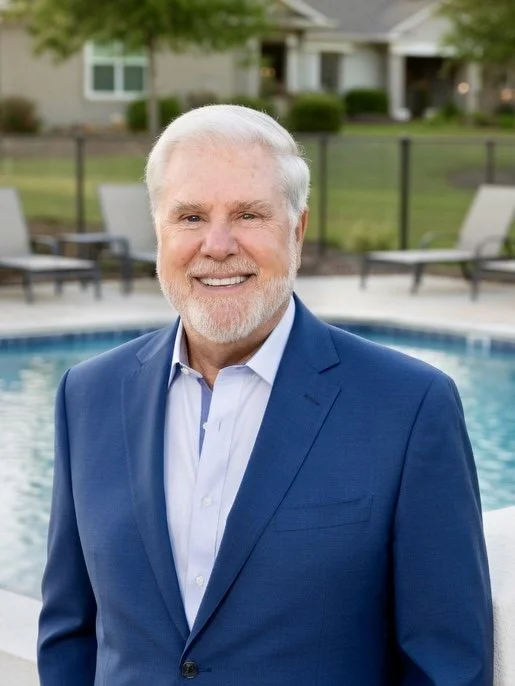
About the Author
Paul Mengert is a nationally recognized educator and speaker in community association management with more than 30 years of experience. Founder and CEO of Association Management Group (an AAMC®-accredited firm) MAKE HYPER LINK amgworld.com, he was named a CAI Educator of the Year and holds the CMCA® and PCAM® designations. Paul teaches governance and decision-making at Wake Forest University School of Law and in a Harvard Business School alumni program. His work has included advising the U.S. Department of State, and he has served as chair of the Piedmont Triad International Airport Authority. He was also named a Most Admired CEO by the Triad Business Journal. Through Lessons from the Neighborhood, his speaking engagements, and his partnership with CAI, Paul helps community leaders make better decisions under pressure—where governance, finance, and human dynamics intersect.