

Leading a community isn’t as simple as it looks, is it?
Most community associations don’t struggle because people don’t care.
They struggle because volunteer leaders are making complex decisions without clear guidance.
“Lessons from the Neighborhood” is built on real-world experience—what actually happens in boardrooms, not what looks good on paper. These books help board members and community managers make clearer, more confident decisions in environments where the people affected live next door.
Exclusive Glimpse Into Lessons from the Neighborhood
The Case of the Second-Floor Sanctuary
“The board thought they were being compassionate. The auditor thought they were making an unsecured loan.
In the upscale condominium community of Highland Terrace, the board prided itself on being a family.”
Your Guide to Stronger Boards and Better Communities Starts Here.

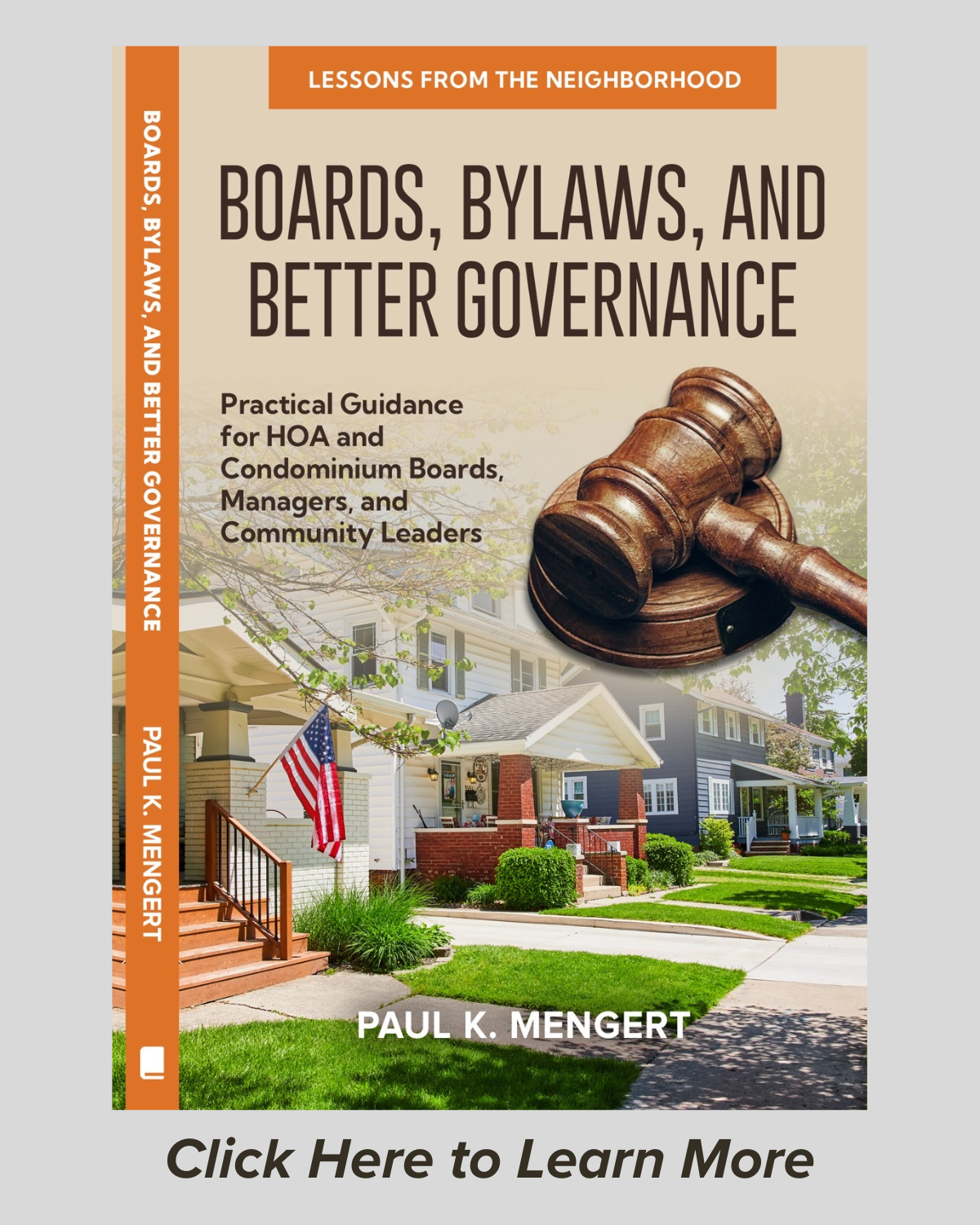
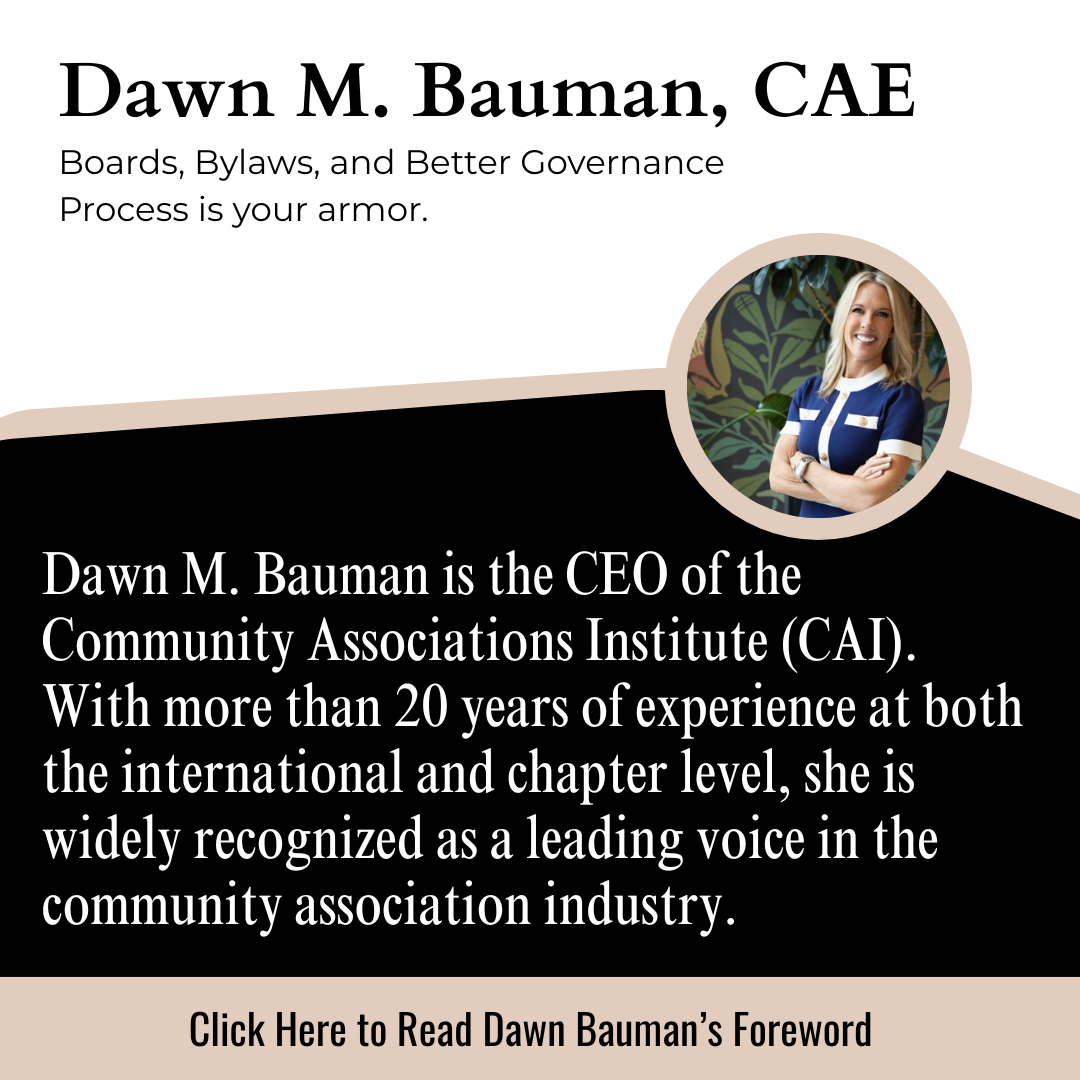
Boards, Bylaws, and Better Governance
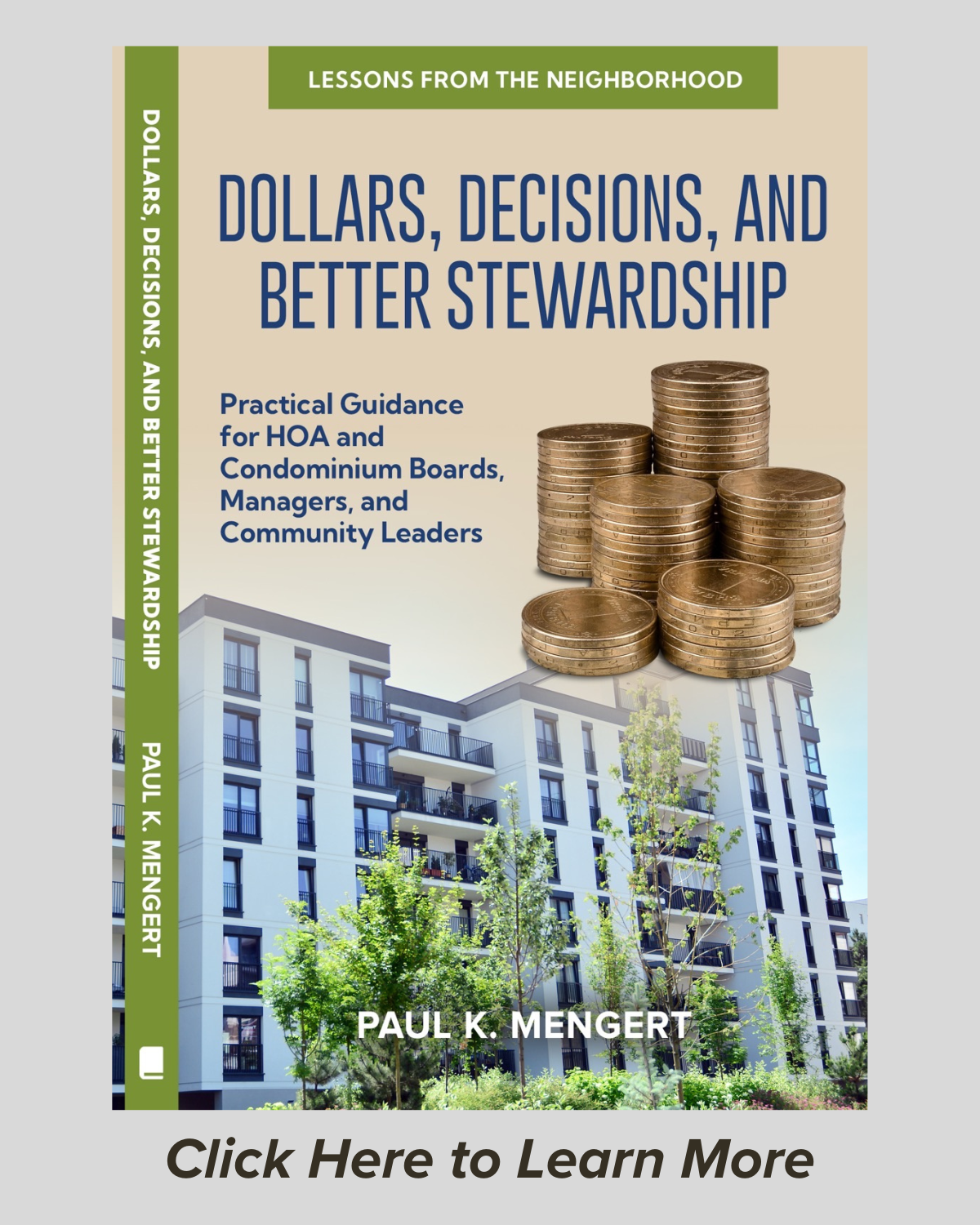
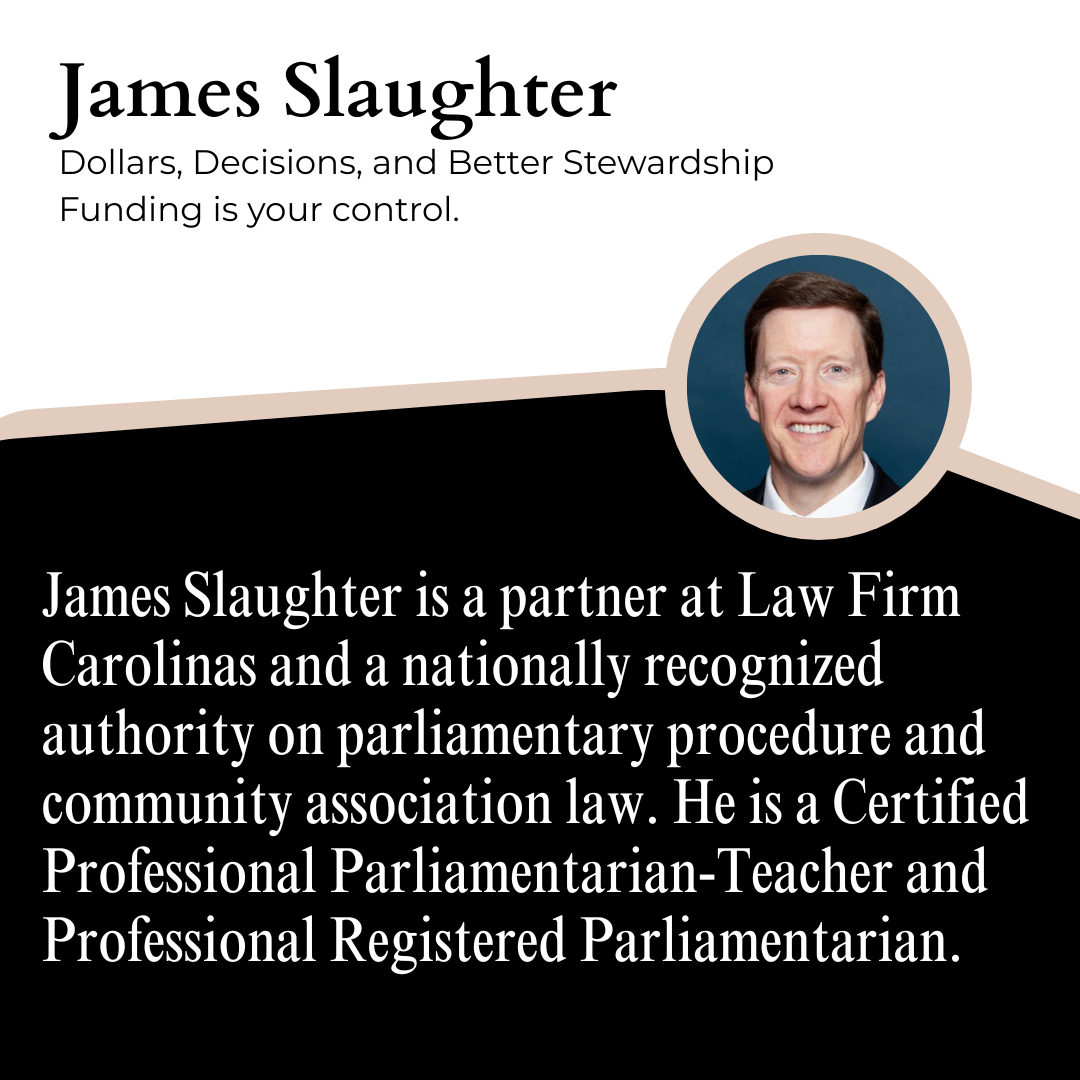
Dollars, Decisions, and Better Stewardship
The Series
Five books packed with practical ideas, real-world stories of what worked and what failed, and useful solutions for making better decisions and getting better results.
The series follows how governance actually unfolds in a community:
Authority.
Money.
Physical assets.
People.
Pressure.
Each volume focuses on a specific dimension of leadership boards face every day.
“In my experience, most boards aren’t trying to make bad decisions—they’re trying to make decisions without enough clarity.”
About the Author
PAUL MENGERT
CAI Educator of the Year
Community Governance Practitioner
Strategic Advisor

Paul Mengert, CMCA®, PCAM®, is a visionary leader, award-winning educator, and transformative strategist in community association management. With over 40 years of experience, he is the founder and CEO of Association Management Group (AMG)—an AAMC®-accredited firm that began in 1985 with three Greensboro, North Carolina, associations, and is now a leading, nationally respected management company. Today, AMG serves over 30,000 property owners across the Carolinas, supporting the volunteer boards that steward communities with a combined asset value exceeding $5 billion.
Paul was named a Community Associations Institute (CAI) Educator of the Year and serves as senior faculty there. He is a longtime guest lecturer at Wake Forest University School of Law and teaches case studies in the Management Development Program at Queens University's McColl School of Business, sponsored by the Harvard Business School Club of Charlotte, focusing on the intersection of governance, finance, law, and human dynamics.
Paul’s influence extends beyond community associations. He has advised the US Department of State on housing initiatives in the former Soviet Union and served five terms as Chair of the Piedmont Triad International Airport Authority. Under his leadership, the airport became a dynamic aerospace and innovation hub, attracting major global players in aviation and advanced manufacturing.
Recognized as a “Most Admired CEO” by the Triad Business Journal, Paul is the author of the acclaimed Lessons from the Neighborhood book series. Through writing, speaking, and consulting, he equips community leaders with practical frameworks for governance excellence, while preserving the human touch that makes neighborhoods thrive.
Paul Mengert doesn’t just manage communities—he builds strong, smart, resilient community leaders.
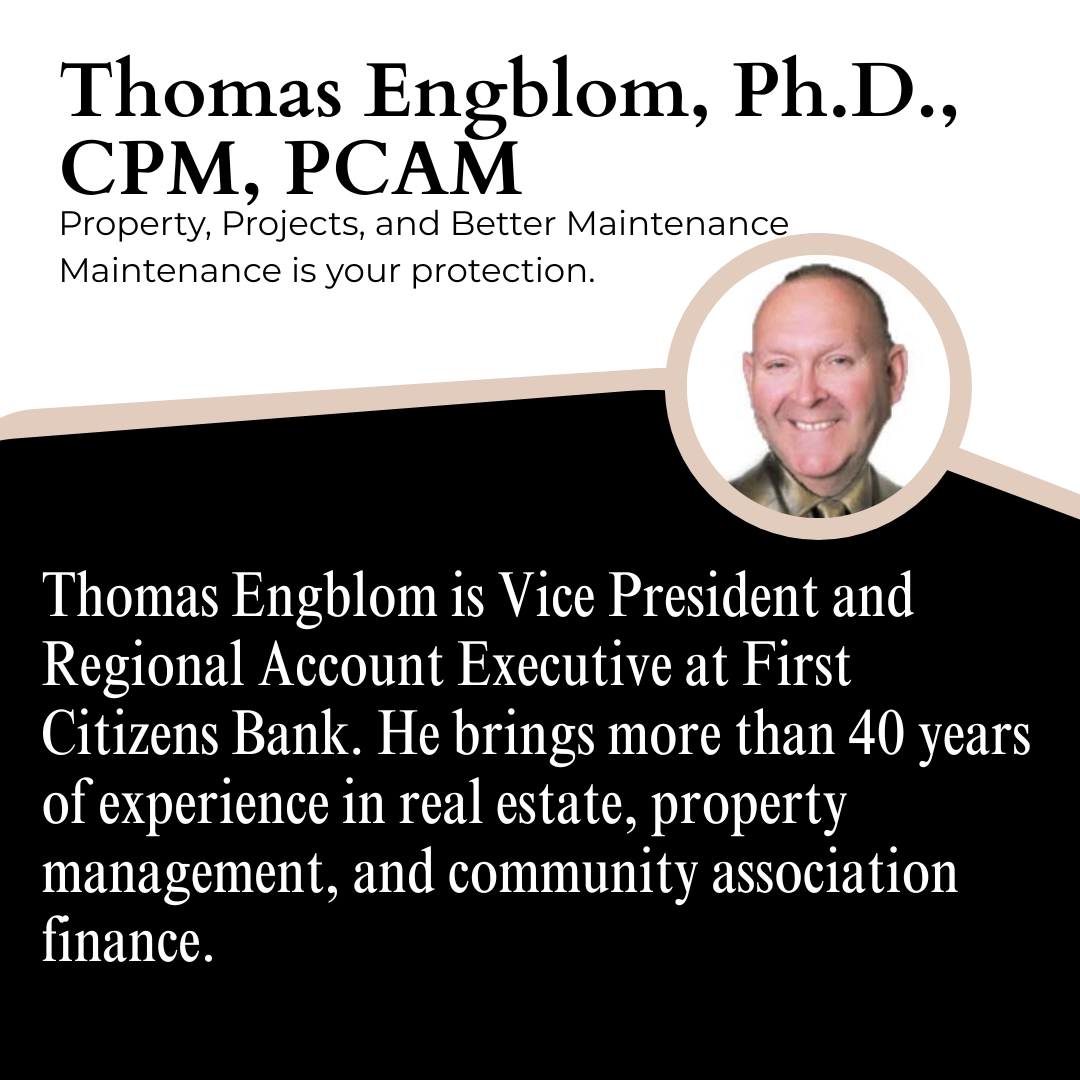
Featuring Forewords By
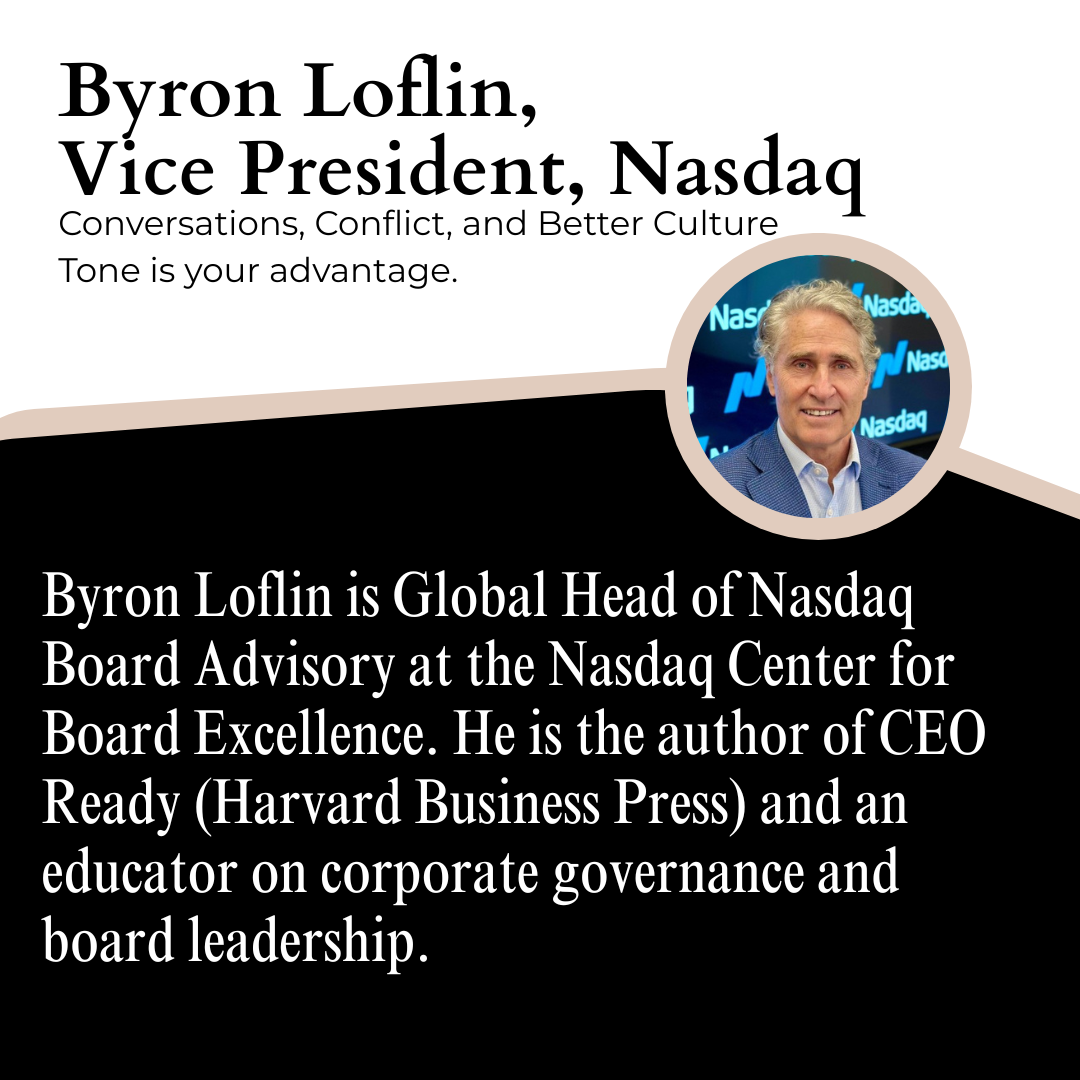
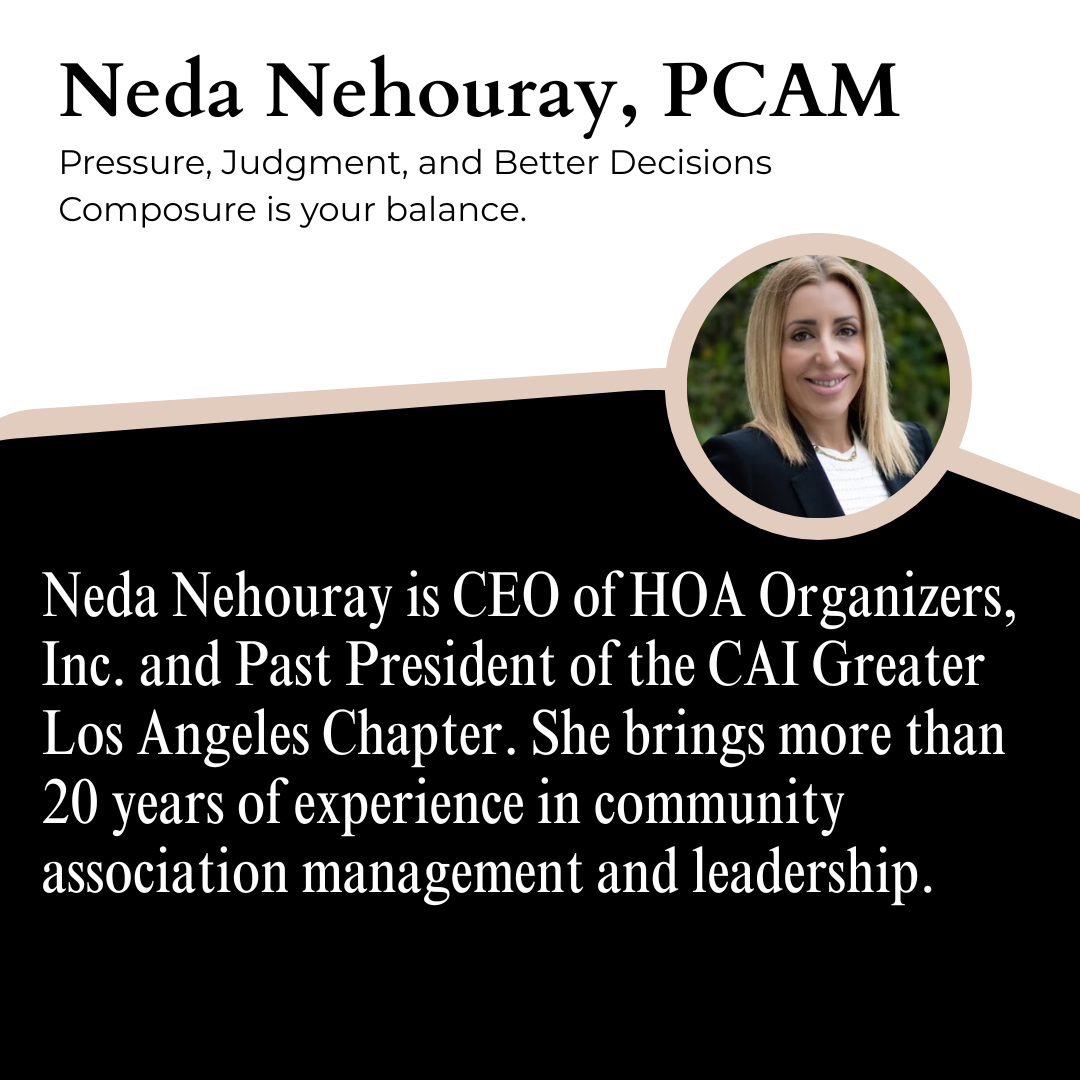
Contact
Feel free to contact us with any questions.
Email
customerservice@amgworld.com
How to Use This Book and Website: A Note for Volunteer Leaders and Professionals
Lessons from the Neighborhood is designed to be useful, accessible, and easy to navigate for busy volunteer leaders and community association professionals.
The Lessons from the Neighborhood series is organized into five books, each focused on a core dimension of successful community governance:
Boards, Bylaws, and Better Governance
Dollars, Decisions, and Better Stewardship
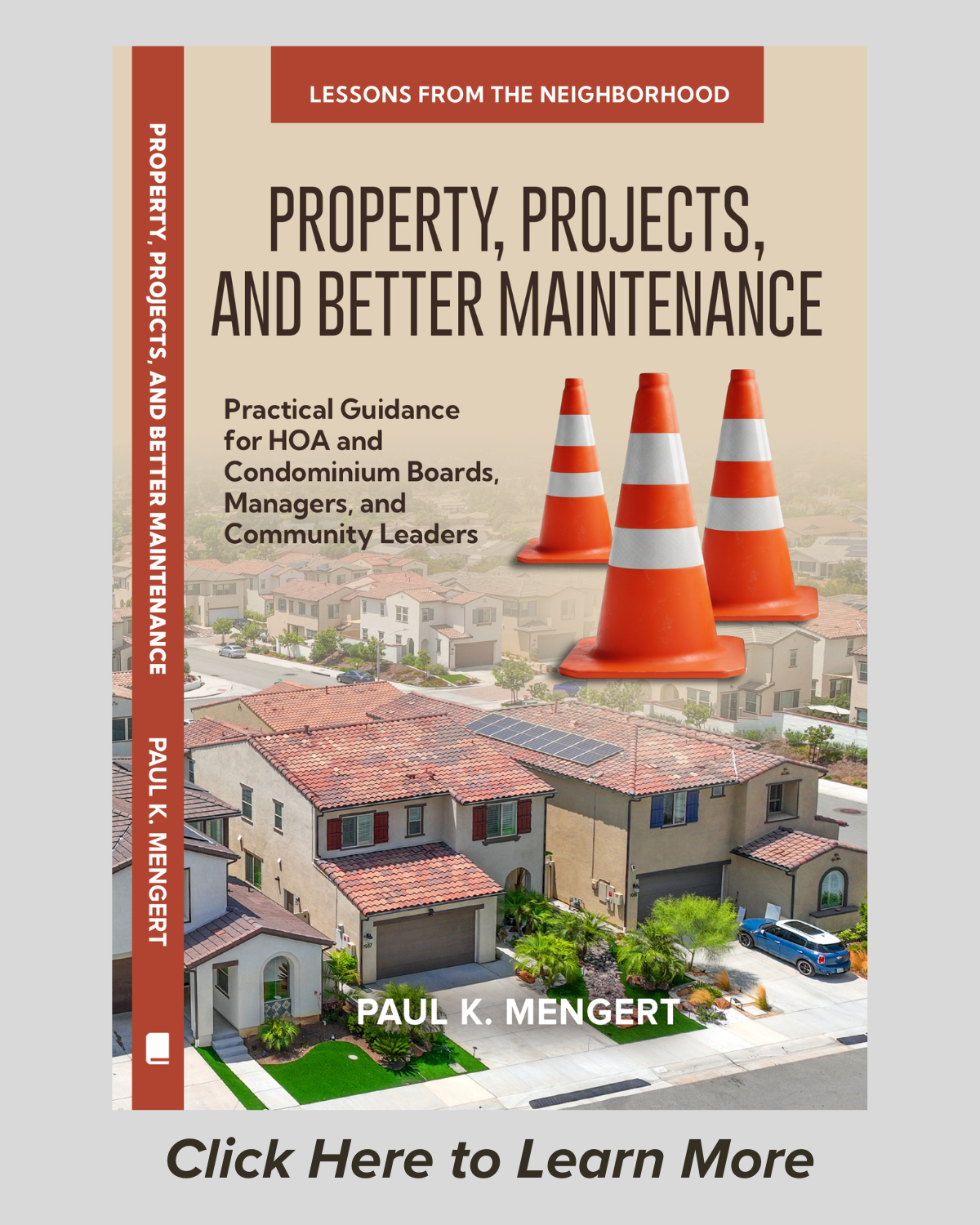
Property, Projects, and Better Maintenance
Conversations, Conflict, and Better Culture
Pressure, Judgment, and Better Decisions
Each book contains focused chapters addressing the types of decisions community leaders face every day. This structure allows readers to approach the material in several ways:
Sequential learning: Reading each book from beginning to end for a comprehensive understanding of association leadership.
Topic reference: Consulting individual chapters when facing a specific governance issue.
Board education: Using chapters as discussion tools during board orientation or training sessions.
This book is written for two audiences: volunteer leaders and the professionals who support community associations.
-
Volunteer leaders include board members, as well as committee members who contribute to the governance and operation of the community. While the principles apply to both roles, each may use the material differently. Volunteer leaders should focus on understanding the structure of governance, their responsibilities within that structure, and the importance of consistent, disciplined decision-making. The goal is not to become technical experts. It is to make informed, disciplined decisions that support the long-term stability of the community.
-
Professionals may use this book as a handy reference to support volunteer leaders, reinforce best practices, and guide conversations around governance, process, and consistency. The material can also serve as a framework for advising communities, while remaining within their respective professional roles.
Because governing documents, applicable statutes, and specific circumstances vary by community and jurisdiction, both volunteer leaders and professionals should consult qualified community association legal counsel when making important decisions. When both groups approach these principles with a shared understanding, governance becomes more effective, communication improves, and the community benefits.
Throughout the series, you will encounter short narratives labeled “Lesson from the Neighborhood.” These brief stories reflect situations commonly experienced in community associations. Some are based on real events, while others combine real elements from multiple communities to illustrate recurring challenges. They are not included merely for storytelling. They serve a functional purpose: reminding us that governance decisions rarely occur in a vacuum. Every policy, vote, and financial decision ultimately affects real people living in real communities.
At the end of the chapters, you will find discussion prompts, review questions, and links to digital resources, as well as a comprehensive glossary of terms on our website. These can be used by boards, managers, and training facilitators to reinforce key ideas and encourage thoughtful conversation about governance practices.
Most importantly, this book is not intended to replace professional advice. Community associations operate within legal and regulatory frameworks that vary by jurisdiction. Boards should consult qualified legal counsel, financial professionals, and other appropriate professionals when addressing matters involving legal interpretation, significant financial exposure, or operational risk.
The purpose of this series is not to provide legal conclusions. Its purpose is to provide perspective, useful guidance, and a framework for making thoughtful decisions. Together, these books provide a rational roadmap to assist board members, managers, and community leaders seeking to strengthen the long-term stability and effectiveness of their communities.
Practical Notes: Cautionary Guidance and Acknowledgement
This book is provided for general informational and educational purposes only. It is not intended to constitute legal, financial, insurance, engineering, accounting, reserve study, or other professional advice, nor should it be relied upon as authority for any specific situation, issue, dispute, or course of action. Community associations operate within legal and regulatory frameworks that vary significantly by jurisdiction, governing documents, contracts, and the unique facts of each community.
Nothing in this book creates a client relationship between the author and any reader. The author, Paul Mengert, is not an attorney and does not hold himself out as one. He holds the Certified Manager of Community Associations (CMCA®) and Professional Community Association Manager (PCAM®) designations and has spent more than 40 years working with community associations as a professional manager, consultant, and volunteer director. The guidance offered throughout this series reflects that experience, not legal counsel. Readers should not substitute the observations contained here for advice from qualified professionals, including attorneys familiar with your specific jurisdiction, governing documents, facts, and circumstances.
The practices, examples, procedures, governance approaches, and other material presented or discussed throughout this book reflect commonly observed principles and experiences within the community association industry. They are not intended to establish a required standard of care, guarantee outcomes, prescribe specific actions, or predict results for any particular association, board, manager, owner, or circumstance. Governance decisions are inherently fact-specific and must be evaluated within the context of applicable law, governing documents, contracts, professional guidance, and the operational realities of the community involved.
In many situations, equally reasonable professionals may reach different conclusions based on differing facts, evolving statutory interpretation, engineering analysis, financial conditions, insurance considerations, or operational priorities. Readers should not assume that any example or recommendation presented here is universally appropriate for every association or circumstance.
The Lessons from the Neighborhood series speaks broadly to volunteer leaders and the professionals who support them. Ultimate responsibility for evaluating, approving, and overseeing an association's actions rests with its board of directors. A board's fundamental task is to exercise its independent business judgment by synthesizing general educational resources such as these, its own operational experience, and the preferences of the community—supported by the professional administrative and management guidance of its community manager, and informed by the specialized advice of its legal counsel, accountants, engineers, insurance representatives, and other licensed experts. From all of these inputs, the board determines what best serves its particular community.
How responsibilities are allocated between a board and its managers or specialized advisors is governed by each community's legal documents, applicable law, and professional engagement agreements. These contracts define and limit the scope of services—including those of the author's firm. Nothing in this series modifies or expands any professional agreement or scope of work.
This work, including its subject matter, ideas, examples, context, structure, and governance perspectives, is based on the author’s experience in the community association industry. The author directed and supervised all substantive content development, analysis, organization, revisions, and final editorial decisions associated with this work. In some instances, generative artificial intelligence tools were used solely to assist with research, drafting, organization, and editorial refinement under the author’s continuous review and control. All conclusions, opinions, interpretations, and governance perspectives expressed herein are exclusively those of the author.
Certain topics discussed in this book may involve legal interpretation, statutory compliance, fiduciary obligations, financial analysis, insurance coverage issues, reserve planning, construction evaluation, or other matters subject to professional licensure or specialized expertise. Boards, managers, and readers are strongly encouraged to consult qualified legal counsel, accountants, reserve specialists, engineers, insurance professionals, and other appropriately licensed advisors before making decisions or taking action involving financial, legal, operational, or safety considerations.
All examples, illustrations, and anecdotes, including “Lesson from the Neighborhood” narratives, are provided for educational purposes only. Some reflect generalized governance patterns or composite scenarios derived from multiple situations commonly encountered within community associations.
The author and publisher make no representations or warranties regarding the completeness, accuracy, applicability, or continuing validity of the information contained herein and disclaim all liability for actions taken or not taken based upon the contents of this book.
Last, but certainly not least, the author gratefully acknowledges the Community Associations Institute (CAI) and the Foundation for Community Association
Research for their publicly available research, educational resources, and industry contributions, and thanks Melanie Raskin for her meticulous and insightful editing assistance. The final work reflects the author’s creative choices, judgment, and vision.